When it comes to bringing your newborn home, one of the first questions new parents often ask is, “How long do babies stay in a bassinet?” It’s a fair question, especially when you’re trying to figure out the best sleeping arrangements for your little one. Not to mention, you want to ensure safety, comfort, and maybe a little bit of sanity for yourself in those early, sleepless months. So grab a coffee, better make it a large one, and let’s jump into the intriguing realm of bassinets.
Understanding Bassinet Usage
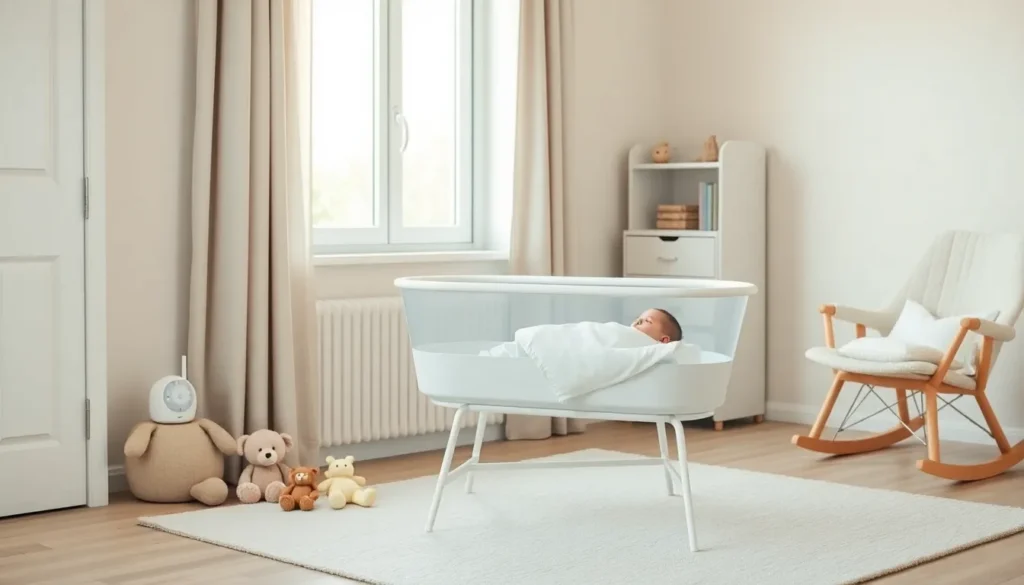
Bassinets are designed with coziness and safety in mind, creating a snug space for newborns. They’re typically smaller than cribs, making them easy to move from room to room. Most parents appreciate this versatility, whether it’s a nighttime feed or a quick nap while cooking dinner. The key here is that bassinets are meant for those precious early days when babies are genuinely tiny.
Generally, a bassinet is suitable for infants up to about four to six months of age, depending on the model. Before making that transition, parents should keep an eye on how their baby grows. If they start rolling over, pushing up, or seem a bit too snug, it’s time to start thinking about that crib.
All in all, a bassinet should provide a safe sleep space for your baby but keep it simple: if they outgrow it, it’s time to find something larger.
Factors Affecting Duration in Bassinet
The duration your baby can comfortably stay in a bassinet isn’t set in stone, it can depend on several factors. The first is weight. Most bassinets have a weight limit, often ranging between 15 to 30 pounds. If your baby is a little heavyweight champ, it might be time for a crib sooner than expected.
Another factor to consider is height. If your little one’s head is less than an inch from the top of the bassinet, then it’s probably a signal to switch to a bigger sleeping space. Keeping track of both weight and height will help parents gauge when it’s time to make the transition.
Finally, the baby’s development plays a crucial role. They could be perfectly fine in a bassinet until they start to show signs of mobility. If your baby starts rolling or attempting to sit up, it’s essential to take that as a cue to transition to a crib.
Developmental Milestones and Transitioning
Developmental milestones are significant indicators that can guide how long a baby stays in a bassinet. During those early months, babies progress rapidly, and being attentive to these changes is crucial.
Between four to six months, many babies begin to roll over, and as they inch closer to being mobile, a bassinet may not be the safest choice anymore. Parents should be aware that once the baby is active, it’s time to move them to a crib where they have more room to explore safely.
Another major milestone is when babies begin to sleep in longer stretches. As they develop, their sleep patterns change, and they might prefer a larger space. Cribs generally offer more space and comfort for these growing babies. Keep a watchful eye on these milestones, and be prepared to transition when the signs indicate your baby is ready.
Safety Considerations for Bassinet Use
Safety is paramount when it comes to choosing sleep arrangements for babies. When using a bassinet, always adhere to safety guidelines. First and foremost, ensure the bassinet meets current safety standards as set by the Consumer Product Safety Commission.
Avoid using any second-hand bassinets unless you know the history of the item and confirm that it hasn’t been recalled. Ensure the mattress fits snugly to the bassinet, preventing any gaps that may pose suffocation hazards.
Also, keep the bassinet clear of blankets, toys, and pillows, as these can also present safety risks. Follow all manufacturer recommendations about weight limits and age recommendations to ensure your baby sleeps soundly and safely.
Choosing the Right Bassinet
With so many options available, selecting the right bassinet can feel overwhelming. Key features to look for include adjustability, portability, and ease of cleaning. Some models even have a rocking feature, which might help soothe your little one to sleep.
Material matters too. Finding a bassinet made from breathable fabrics promotes airflow, which is essential for regulating your baby’s body temperature. Consider the size of your living space, as well. Compact, foldable models might save room in a tight space, while larger models could offer extended use.
Finally, don’t forget style. Your bassinet will likely be in a prominent spot in your home, so it’s okay to choose one that blends with your décor. After all, you’ll want it to not only be functional but also visually appealing.